BACKING RIVAGE: A NEW, AI-NATIVE CHAPTER FOR PAYROLL
February 12th, 2026


By Ariadne Lemieux-Cumberlege and Alison Imbert
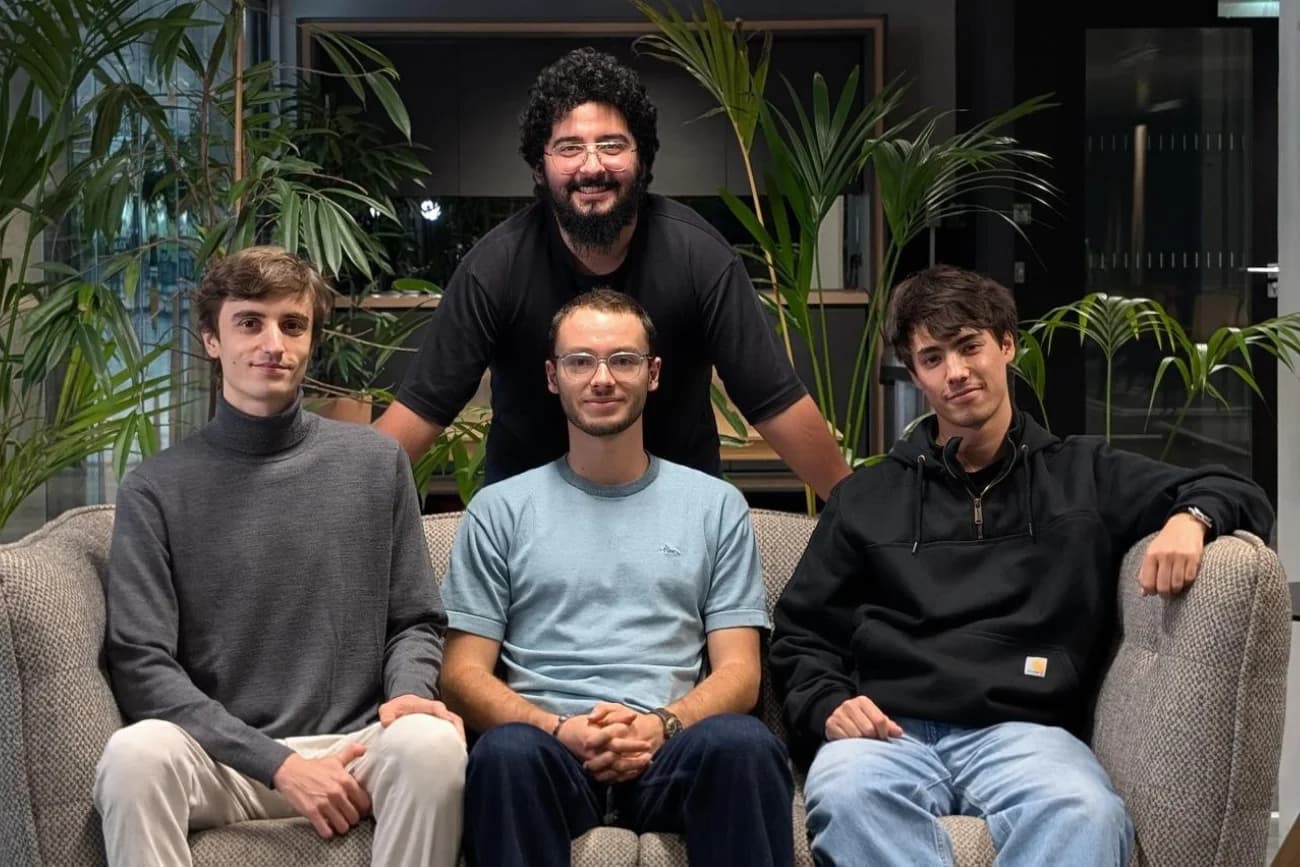
We first met Tancrède, Hector, Ayoub, and Paul last summer. It quickly became clear that this underdog team of hungry, recent graduates was taking on one of the hardest categories in software with unusual clarity and ambition. As early investors in Pennylane, we have seen first-hand how eager accounting firms are for modern, digital alternatives to legacy incumbents. We have also seen how unforgiving these markets can be. Product depth and go-to-market execution leave very little room for error and only true outliers can ever become category leaders. From the beginning, Rivage felt like one of those rare teams.
Payroll is not a new category. Quite the opposite. Over the past decade, many startups have attempted to disrupt payroll in Europe. On paper, the opportunity is appealing because payroll is non-negotiable. Every company needs it, much like a bank account or accounting software. Compliance-driven markets combine structural willingness to pay with long-term customer retention, which makes them especially attractive to ambitious founders.
So why have most challengers failed to meaningfully take share from incumbents?
The answer is simple and brutal. Payroll is one of the most sensitive and complex operational processes a company runs. Issuing a correct payslip requires orchestrating hundreds of parameters, interpreting constantly evolving regulation, and applying the correct logic across collective agreements (in France alone, there are more than 900 of these agreements).
In payroll, there is no such thing as a product that is “good enough.” You cannot win this market with something that is 80 percent there. You need absolute accuracy, every month, for every employee. Trust is earned slowly and lost instantly. When payroll goes wrong, payroll managers and their SME clients face legal risk, financial exposure, and employee frustration. Truly understanding the weight of this responsibility, and building alongside payroll professionals rather than around them, is a prerequisite to even have a shot at success.
This is where Rivage stood out.
We have rarely seen customer research this deep at such an early stage. The quality of insight consistently showed up in our conversations, and it is the kind of obsession we have seen in the best product-centric companies. The team spoke with more than 100 accounting firms and payroll professionals, as well as legacy software vendors, emerging payroll startups, and the growing ecosystem of payroll BPOs. They got in the trenches with their users - over long sessions, they went deep into the complexity of the topic, understanding where things break and why previous attempts to disrupt payroll fell short. Rivage also understood early on that there is an advantage to building in a “startup cemetery.” You get to learn directly from the mistakes of those who came before.
That groundwork has paid off. In the six months following our investment, the team shipped a core payroll platform with functional depth on par with the market leader, while being architected to scale quickly and absorb the full complexity of sector-specific payroll rules and practices.
They are now accelerating on the roadmap, rapidly expanding regulatory coverage and shipping automation features, including an AI-driven workflow to dynamically audit payroll calculations. These features build trust in the product while materially reducing the time payroll managers spend on manual checks. On the commercial front, Rivage is already deploying across eight accounting firms and rapidly onboarding additional partners.
By owning the payroll process and the underlying data, Rivage sits at the heart of the HR tooling stack. Their ambition is to become the open, interoperable source of truth in a rapidly expanding ecosystem of tools. It’s still early days in understanding how AI will transform HR and financial operations, but what is already clear is that enormous value sits inside these workflows.
As a VC, you sometimes get that rare gut feeling that you are meeting a true outlier. We have had that feeling since day one with Tancrède, Hector, Ayoub, and Paul. And if the next decade looks anything like the intensity of the past six months, this team is just getting started.
SUBSCRIBE TO OUR NEWSLETTER


